Marketing
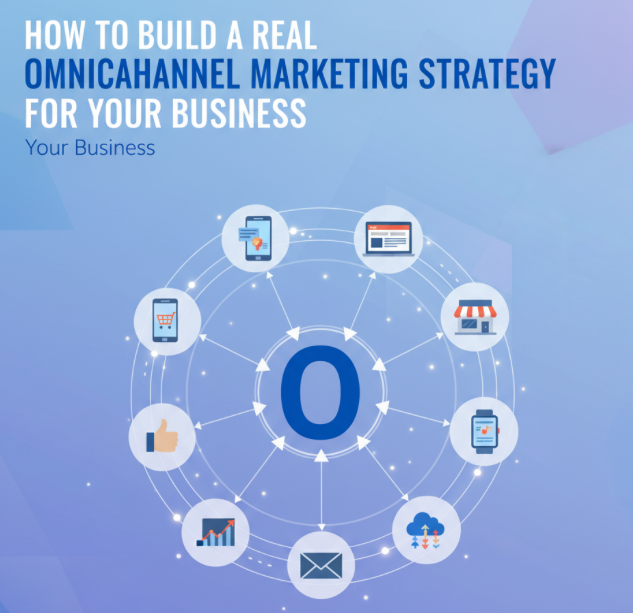
In today’s fragmented digital landscape, customers interact with brands across multiple touchpoints before making a purchase decision. They might discover your product on Facebook, research it on Google, read reviews on your website, and finally make a purchase through email. This complex customer journey demands more than isolated marketing efforts – it requires a cohesive omnichannel marketing strategy.
For businesses in Sri Lanka looking to compete in both local and global markets, understanding how to integrate various marketing channels into a unified strategy is no longer optional—it’s essential for survival and growth.
Before diving into strategy building, it’s crucial to understand what omnichannel marketing truly means. Many businesses confuse it with multichannel marketing, but there’s a fundamental difference.
Multichannel marketing means being present on multiple platforms such as social media, email, your website, and physical stores. However, these channels often operate in silos, with separate teams, different messaging, and disconnected customer data.
Omnichannel marketing, on the other hand, creates a seamless, integrated customer experience across all touchpoints. Whether a customer interacts with your brand through Facebook marketing, email marketing, or your website, they receive consistent messaging and their journey is tracked holistically. The focus shifts from individual channels to the complete customer experience.
The first step in building an effective omnichannel strategy is mapping your customer journey. This requires a deep understanding of how your target audience discovers, researches, and purchases your products or services.
Start by identifying all the touchpoints where customers interact with your brand. For most businesses using digital marketing in Sri Lanka, this includes search engines through SEO services, social media platforms like Facebook and Instagram, email communications, your website, online marketplaces, mobile apps if applicable, and potentially physical locations.
Work with your marketing agency in Colombo or internal team to analyze customer data and identify patterns. Where do customers first hear about you? What information do they seek during the research phase? Which channels do they prefer for support? What triggers the final purchase decision?
This customer journey map becomes the blueprint for your omnichannel strategy, ensuring you’re present and relevant at every critical touchpoint.
A robust SEO service foundation is essential for any omnichannel strategy. When potential customers search for solutions to their problems, your brand needs to appear in search results with valuable, relevant content.
Content marketing in Sri Lanka should be approached strategically, creating content that serves multiple purposes across various channels. A single piece of in-depth content can be repurposed into blog posts optimized for SEO, social media snippets for Facebook marketing, email newsletter segments, video scripts for YouTube, infographics for Pinterest and Instagram, and podcast episode topics.
Work with an SEO company to identify the keywords and topics your target audience is searching for. Then create comprehensive content that addresses these queries while maintaining brand consistency across all platforms. This ensures that whether someone finds you through Google search or social media, they receive the same quality information and brand experience.
The key is to optimize each content piece for its specific platform while maintaining a consistent core message and brand voice.
Facebook marketing in Sri Lanka remains one of the most powerful channels for building brand awareness and engaging with customers. However, in an omnichannel strategy, Facebook shouldn’t exist in isolation.
Integrate your Facebook presence with your other marketing efforts by using Facebook pixels to track website visitors and create retargeting campaigns, syncing customer data to provide personalized ad experiences, directing engaged audiences to relevant website content or email signup forms, and using Facebook Messenger for customer service that connects with your CRM system.
Your advertising services on Facebook should complement your other channels. For instance, if a customer abandons their cart on your website, they might see a reminder ad on Facebook. If they engage with your email campaign, they might see related content in their Facebook feed. This coordinated approach significantly increases conversion rates compared to standalone campaigns.
Email marketing in Sri Lanka is often underutilized, yet it’s one of the most effective channels for creating personalized, trackable customer experiences. In an omnichannel strategy, email serves as a central hub that connects all other touchpoints.
Modern email marketing goes far beyond simple newsletters. It should include welcome series for new subscribers discovered through any channel, abandoned cart reminders for website visitors, personalized product recommendations based on browsing behavior, re-engagement campaigns for dormant customers, and post-purchase follow-ups that encourage reviews and social sharing.
The power of email in omnichannel marketing lies in its ability to be highly personalized and triggered by customer behavior across all channels. When someone downloads a resource from your website, attends a Facebook Live session, or makes a purchase, automated email sequences can guide them to the next logical step in their journey.
Your website is the central hub of your online marketing in Sri Lanka efforts. While customers may discover you through various channels, your website is where they come to learn more, make decisions, and complete transactions.
Effective website marketing in an omnichannel context means creating experiences that recognize and respond to how visitors arrived. If someone clicks through from a Facebook ad, the landing page should continue the conversation started in that ad. If they’re returning from an email, the website should acknowledge their previous interactions and suggest relevant next steps.
Implement these website marketing best practices by using dynamic content that changes based on traffic source or customer segment, maintaining consistent visual branding and messaging across all pages, ensuring mobile optimization since many customers will switch between devices, integrating live chat that connects with your customer service system, and creating clear conversion paths whether that’s making a purchase, booking a consultation, or signing up for emails.
Your marketing services should include regular website optimization to improve user experience and conversion rates across all entry points.
Business promotion becomes exponentially more effective when campaigns are coordinated across all channels. Instead of running separate initiatives on each platform, create integrated campaigns where each channel plays a specific role in the customer journey.
For example, a product launch campaign might include SEO-optimized blog content that educates about the problem your product solves, teaser videos on Facebook and Instagram building anticipation, email sequences to your existing list with early access offers, website promotion through banners and dedicated landing pages, retargeting ads for website visitors who showed interest, and influencer partnerships that drive traffic back to your digital channels.
Each element reinforces the others, creating multiple touchpoints that guide customers toward conversion while maintaining message consistency.
Building and executing an omnichannel strategy requires diverse expertise—from SEO and content creation to paid advertising and email automation. Many businesses find that partnering with a comprehensive marketing agency in Colombo provides the cross-channel coordination necessary for success.
When selecting marketing services, look for agencies that offer integrated solutions rather than siloed specialties. The ideal partner should provide strategic planning across all channels, technical implementation including tracking and analytics, creative services that maintain brand consistency, regular reporting on cross-channel performance, and optimization based on holistic customer data.
A quality SEO company or digital marketing agency will help you see beyond individual channel metrics to understand the complete customer journey and how different touchpoints contribute to overall business goals.
Executing an omnichannel strategy requires the right technology stack to track customer interactions, manage campaigns, and analyze performance across channels.
Essential tools include a Customer Relationship Management (CRM) system that consolidates customer data from all touchpoints, marketing automation platforms for email marketing and behavioral triggers, analytics tools that track cross-channel attribution, social media management platforms for consistent scheduling and monitoring, and content management systems that allow easy website updates and personalization.
Many businesses using digital marketing in Sri Lanka start with more affordable, integrated platforms like HubSpot, Mailchimp, or ActiveCampaign before scaling to enterprise solutions. The key is choosing tools that can share data and work together rather than creating new silos.
Website promotion in an omnichannel strategy means using every channel to drive qualified traffic to your digital headquarters. This requires coordinated efforts across all marketing activities.
Your SEO service should identify valuable keywords and optimize website content to rank organically. Meanwhile, your content marketing creates shareable resources that attract backlinks and social engagement. Facebook marketing drives targeted traffic through both organic posts and paid advertising services. Email marketing brings subscribers back to the website for new content, products, or offers.
Channel performance shouldn’t be measured by clicks alone. Track assisted conversions, enquiry quality, and actual revenue otherwise you end up optimising for activity instead of outcomes.” – Michael Sherry, SEO Consultant
Each channel should have specific traffic goals and calls-to-action that guide visitors to relevant website experiences. Track which channels drive the most valuable traffic—not just volume, but visitors who convert, engage, and return.
One of the biggest challenges in omnichannel marketing is attribution—understanding which channels deserve credit for conversions. Traditional last-click attribution gives all credit to the final touchpoint, which completely misses the omnichannel journey.
Implement multi-touch attribution models that recognize how different channels work together. Someone might discover your brand through SEO, engage with your Facebook marketing, sign up via email, and finally convert after receiving an email promotion. All these touchpoints contributed to the sale.
Work with your marketing services provider to establish key performance indicators that reflect omnichannel success such as customer lifetime value across all channels, cross-channel conversion rates, average number of touchpoints before conversion, brand consistency scores, and customer satisfaction with their experience.
Regular analysis of these metrics helps you understand which channel combinations work best and where to invest resources for maximum impact.
The paradox of omnichannel marketing is that you need both consistency and personalization. Your brand message, values, and visual identity must remain consistent across all channels, yet customer interactions should feel personalized and relevant.
Achieve this balance by establishing clear brand guidelines that apply to all channels including voice and tone, visual elements, core messaging, and customer service standards. Then personalize within these boundaries by tailoring content to channel-specific audiences, using customer data to customize recommendations, adjusting messaging based on customer journey stage, and respecting channel-specific best practices while maintaining brand identity.
For instance, your Facebook marketing might use a more casual tone than your email marketing, but both should clearly represent the same brand and values. Content marketing in Sri Lanka should reflect local cultural nuances while maintaining global brand consistency if you serve international markets.
Building an omnichannel strategy comes with challenges that businesses in Sri Lanka frequently encounter. Understanding these obstacles helps you prepare effective solutions.
Data silos remain one of the biggest hurdles. When your SEO company, social media team, and email marketing operate independently with separate data, you can’t create a unified customer view. Invest in integrated systems and establish regular cross-team communication.
Resource constraints often limit smaller businesses. Start with your most important channels and gradually expand. It’s better to execute an excellent two-channel strategy than a mediocre five-channel approach.
Technology complexity can be overwhelming. Begin with user-friendly platforms and add sophistication as your team develops expertise. Many marketing agencies in Colombo offer training and support to help your team adapt.
Maintaining message consistency while managing multiple channels requires clear documentation and regular team alignment. Create campaign briefs that outline messaging for all channels before execution begins.
Ready to build your omnichannel strategy? Start with a phased approach that sets you up for long-term success.
Phase one involves auditing your current state by documenting all existing channels, evaluating how well they’re integrated, assessing your technology capabilities, and reviewing customer journey data. Work with advertising services or an SEO service provider to understand where you currently stand.
Phase two focuses on foundation building through establishing your brand guidelines, implementing core technologies like CRM and analytics, training your team on omnichannel principles, and starting to connect data sources.
Phase three brings integration by creating cross-channel campaigns, implementing marketing automation, developing consistent customer experiences, and establishing measurement frameworks.
Phase four emphasizes optimization through regular performance analysis, testing different channel combinations, personalizing based on customer segments, and continuously refining your approach.
As technology evolves, omnichannel marketing will become even more sophisticated. Artificial intelligence will enable real-time personalization across channels. Voice search will add new touchpoints to the customer journey. Augmented reality might transform online marketing in Sri Lanka, blending digital and physical experiences.
The businesses that thrive will be those that embrace these changes while maintaining focus on the fundamental principle of omnichannel marketing: creating seamless, valuable experiences for customers regardless of how or where they interact with your brand.
Whether you’re just starting with digital marketing or looking to enhance your existing efforts, remember that omnichannel success doesn’t happen overnight. It requires strategic planning, the right technology, consistent execution, and a commitment to understanding and serving your customers at every touchpoint.
Building a real omnichannel marketing strategy transforms how your business connects with customers. By integrating your SEO services, content marketing, Facebook marketing, email marketing, and website promotion efforts into a cohesive strategy, you create experiences that guide customers smoothly from discovery to purchase and beyond.
The investment in omnichannel marketing pays dividends through higher customer satisfaction, increased conversion rates, improved customer retention, and better marketing ROI. Whether you partner with a marketing agency in Colombo or build internal capabilities, the key is starting with a clear strategy and commitment to integration.
Your customers are already living in an omnichannel world, seamlessly moving between devices and platforms throughout their day. The question isn’t whether to build an omnichannel strategy – it’s how quickly you can implement one that meets your customers where they are and guides them where they want to go.
What Next
Tell us what you are trying to grow and we will tell you honestly whether we are the right people for it.